


Edilizia Antica
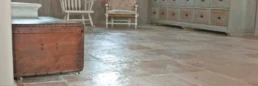
The knowledgeable staff of Antica Edilizia di De Vecchi Thomas at 23 Fossa Street in Follina (Tv) can provide the right advice for antique building restoration and interior design not only in Veneto and Lombardy, but also in the rest of the peninsula and across the border. Our company ensures antique building interventions by ensuring the conservative restoration of precious ceilings, valuable floors, floors and stairs, as well as offering a wide range of antique building products. In fact, Antica Edilizia allows you to choose from within a wide range of antique building products such as restored traditional antique floors (solid and three-layer prefinished), antique beams in various essences, attics, stairs, furniture and everything related to conservation-type restoration.
All material recovered from demolitions is stored, cleaned and treated according to the “new” context in which it is to be placed, respecting the original appearance as much as possible. Antica Edilizia is also involved in the creation of furniture for hotels, wineries, BBs and commercial premises and is able to supply furniture complements, paneling, mezzanines and various accessories. The company performs siloxane treatments, cryogenic treatments, load testing and grading of beams, beam stripping for IPE or HEA insertion.
Request information
We invite you to experience the Quality
Contact us to find out more about our products and to find the perfect solution for your home or office.
Error: Contact form not found.
Antique Dressers
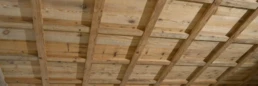
Antique coffers have traversed the ages unscathed because of their ability to combine a charming aesthetic with their functionality in keeping themselves stable, leaning against the ceiling and thus lending a big hand to the structure.
Request information
We invite you to experience the Quality
Contact us to find out more about our products and to find the perfect solution for your home or office.
Error: Contact form not found.
Antique folders
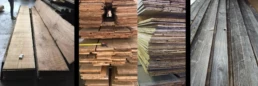
The term “folders,” in construction, can refer as much to flat or curved wooden surfaces on which decorations reproducing inscriptions, coats of arms and ornaments were made, as to the typical format into which wooden boards intended for floor and wall coverings are divided. Antique folders, then, are boards recovered from floors, beams or other wooden artifacts and intended to form the first or second patina (lower folders) of building material. Depending on the intended use of the material, antique folders are then glued onto counterbalanced wood binder boards or processed using craft-derived procedures and techniques. To form parquet planks or other wood floors, the reclaimed material, cut into boards of about 7 mm, is then combined with other timbers.
The “lived-in” part of the folders (upper folders) is then used to make beautiful floors in first patina, that is, unrepainted and therefore particularly valuable, as the authenticity of their beauty is guaranteed by their integrity. Made of oak, chestnut, elm, larch or fir, durable woods with remarkable qualities, antique files can be of various sizes and, despite the passage of time, retain the typical warmth and uniqueness of antique wood. Not to mention the unique sensations that only properly treated antique wood can convey, with its smoothness, fragrance, and grains that are always unique.
Request information
We invite you to experience the Quality
Contact us to find out more about our products and to find the perfect solution for your home or office.
Error: Contact form not found.
Antique trusses
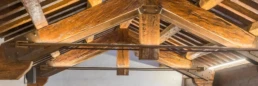
A typical wooden structure in historic construction used as the main support of roofs, antique trusses are architectural elements that distinguish the form of the attic, giving a refined luminosity to the interior. From the simplest strut structures with chain up to the most complex types capable of achieving intense light effects, antique trusses should aim to re-evaluate existing wooden sections, possibly integrating them with healthy and solid salvaged antique materials. All in an overall work that respects the architectural structure and with craftsmanship to recover with the era of construction. With its interplay of beams with a triangular structure, the truss allows the building to expand in height, gaining more airiness and a space that can possibly be used, in residential or hospitality facilities, to make scenic lofts or restore ancient ceilings. Antica Edilizia is available to recover, clean and restore the wood of ancient trusses , and then proceed to re-lay the beams and ‘trim once restored to its former glory. Along with the undoubted aesthetic value of the work, the restoration of the antique trusses also allows the roof to be fortified, making it safer, sheltered and insulated from the elements. The restoration of the ancient trusses will also allow the structure to be preserved for a long time: the materials used in the original construction, restored to their original splendor, will remain solid and beautiful for a long time to come, and the building will benefit from an important revaluation.
We also have a large catalog of new or different finishes from the original , and a warehouse with over 8,000 antique beams up to 15 meters long of various wood species recovered in central and northern Italy, and over 30,000 square meters of antique planking suitable for floors, ceilings and paneling. The best antique materials and our craftsmanship expertise are at your service for the recovery and restoration of antique trusses in Veneto, Lombardy, Switzerland and the rest of Italy.
Request information
We invite you to experience the Quality
Contact us to find out more about our products and to find the perfect solution for your home or office.
Error: Contact form not found.
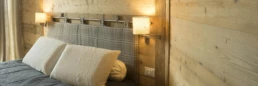
Antique wood paneling
Handcrafted creations made to measure, antique wood paneling has the ability, typical of wood, to create warm and cozy environments. And not only metaphorically since, as is well known, wood has a highly insulating effect. Often the term paneling is used to refer only to the cladding made using planks with essential lines, without panels and without profiling. In other cases shelves and niches follow one another creating geometric, asymmetrical lines, with a harmony of volumes rather than shapes. A furniture solution that has never gone out of fashion, today boiserie repurposed in different design variants is back in vogue: traditional boiserie can be reinterpreted in a contemporary, almost minimalist key, reducing the part dedicated to the bookcase, and eliminating the doors. But lovers of antiques and creations faithful to tradition will not fail to be won over by authentic antique wood paneling, capable of enhancing the material irregularities, emphasizing knots, cracks, grains and other unique details of each cut. A “living” and natural raw material, wood has the ability to traverse the ages unscathed, provided it is properly restored, cared for and treated. Burns, nail marks, woodworm holes are not camouflaged, plastered or repaired: on the contrary, they take on a definite value, as evidence of a lived experience not to be missed. The charm of imperfections lies in their ability to tell a story, and in the case of antique wood, the story told is always unique and unrepeatable. And uniqueness is precisely one of the most valued characteristics.
Thus an antique wood paneling can be made to cover one or more walls, or an entire room. The boards are offered horizontally, with slats of different sizes that create a striking effect. Skilful workmanship makes it possible to maintain the original color and, above all, the patina, or that pleasant veil spread by elapsed time, which gives the wear and tear effect so appreciated. The trend is to juxtapose antique paneling with modern elements, creating contrasts of sure and effective effect: with modern materials such as steel or Plexiglas, or contrasted with high-tech accessories, the goal is to create unique and original spaces in a fascinating contamination between tradition and innovation.
Request information
We invite you to experience the Quality
Contact us to find out more about our products and to find the perfect solution for your home or office.
Error: Contact form not found.
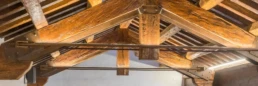
Antique Purlins
The truss (also called trestle) is an architectural technique for roofing pitched buildings. It consists of a flat lattice truss placed vertically, the basic element for supporting pitched roofs, which in turn consist of rafters and mizzens. The truss structure allows forces to be discharged evenly and horizontal thrusts to be nullified, thanks to its triangular structure, in which the horizontal element (called the chain) supports the thrusts exerted by the vertical weight of the materials and transmitted to the oblique elements, called struts. The purlin rests directly on the strut, above which are placed additional perpendicular beams called rafters, which descend obliquely in a parallel course to the struts.
Above the rafters rest the mezzanines or battens that provide support for the roofing membrane. When one goes to work on a historic property, it is common to need to provide for the replacement of structural elements that have been worn away by time, weathering or moths. However, inserting newly manufactured lumber within an ancient context does not always return aesthetically pleasing results. Here is where the use of reclaimed antique wood allows for the creation of authentic structures rich in charm, in which the dialogue between eras flows continuously and uninterruptedly.
Request information
We invite you to experience the Quality
Contact us to find out more about our products and to find the perfect solution for your home or office.
Error: Contact form not found.
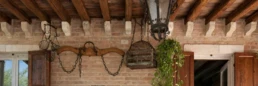
Antiche Costruzioni
When carrying out the conservative restoration of ancient real estate, the use of newly manufactured lumber often does not satisfy the client’s aesthetic taste, as the contrast between old and new is strong and reasons of stylistic consistency make the use of authentic materials more prestigious. Ancient Construction, has spent many, many years discovering and enhancing salvaged bricks, stone and lumber from the demolition works of old buildings. Once carefully selected, stored in appropriate locations, catalogued, cleaned and treated appropriately, reclaimed lumber from these ancient buildings provides the raw material for making building salvage or new construction whose value is enhanced precisely by virtue of such refined raw materials. Cleaning and salvage work is a prerequisite for ensuring stability and durability of the lumber itself. Our skilled workforce has developed strong expertise in this type of processing over the years, combining a tradition handed down from generation to generation with the quality coming from the technological innovations introduced in production processes.
The processing to which the beams and reclaimed lumber are subjected also includes load tests in order to ensure quality and strength, as well as the level of aesthetic appeal. In the company’s workshops, the beams may be subjected to stripping for the insertion of profiles necessary to give them greater strength. Processing is always conducted with the utmost respect for the environment and the authenticity of the materials, based on a recovery project agreed with the client customer.
Request information
We invite you to experience the Quality
Contact us to find out more about our products and to find the perfect solution for your home or office.
Error: Contact form not found.
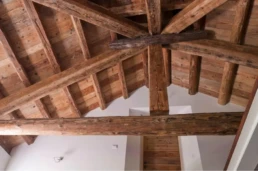
Ancient beams
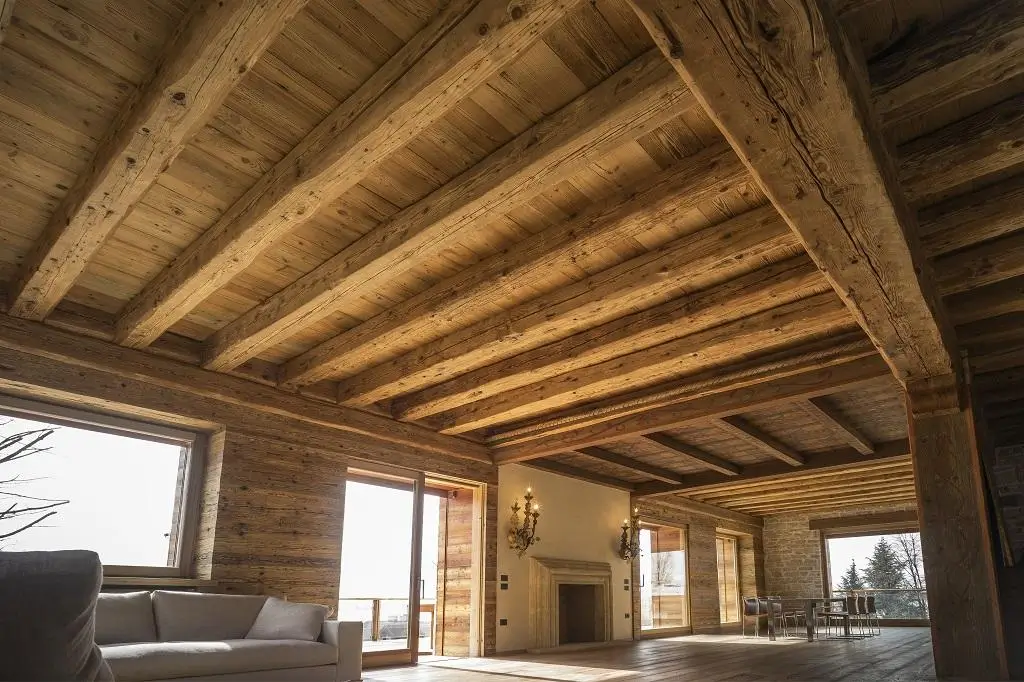
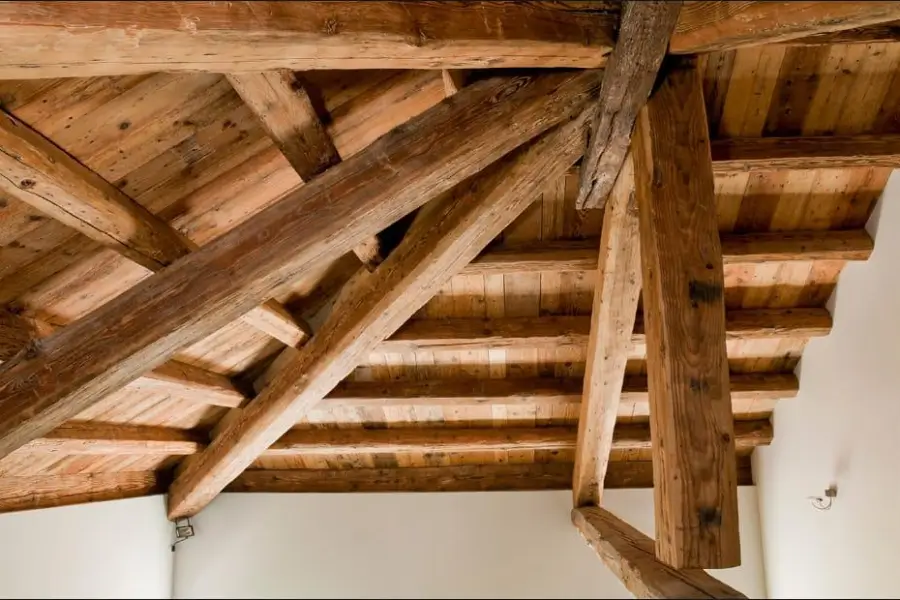
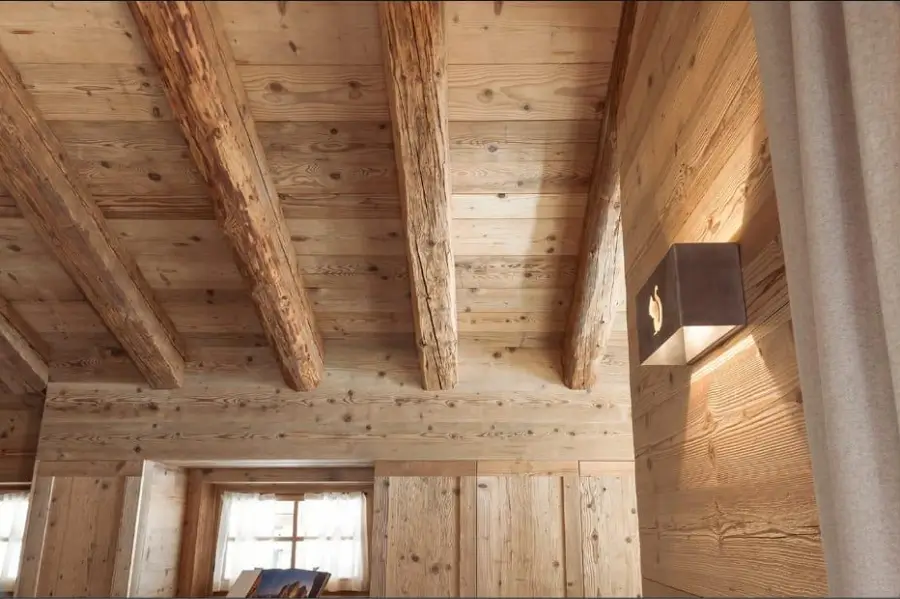
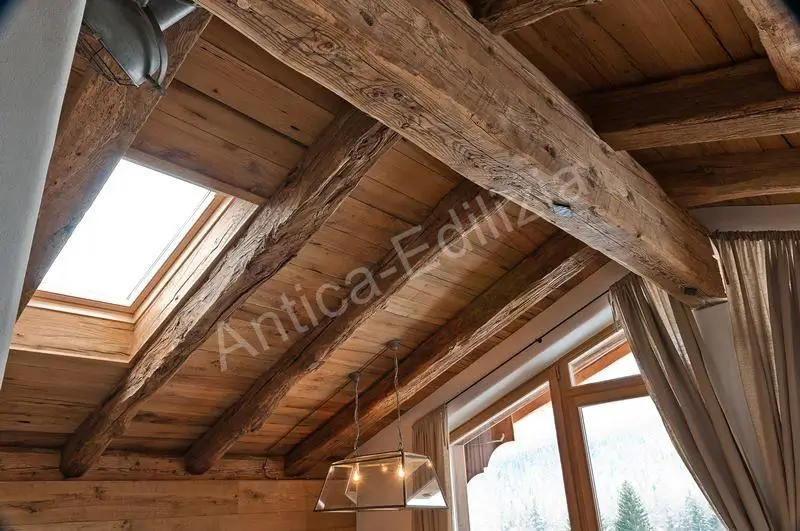
Those fortunate enough to live in an old building can discover a true heritage in its interior sections. While the trend prevailed in the 1970s and 1980s to cover these marvels with suspended ceilings, having the purpose of lowering the height of the ceilings, today architects and interior designers tend instead to enhance the antique beams in the attic sections. Those who decide to opt for a restoration of antique beams can proceed with a cleaning, rehabilitation and upgrading job that aims to restore solidity and splendor to the antique wood. In the event that time has taken its course and undermined the very structure of the beams, Antica Edilizia proposes a clear-sighted consultation aimed at identifying the most suitable solution to enhance the structure by improving its habitability. The preliminary assessment will make it possible to decide whether to restore the existing elements or replace them with old or new ones. In the first case, our craftsmen experienced in the treatment of salvaged materials will be able to carry out a restoration in a conservative sense and restore the beams to their former glory through careful workmanship involving the structure and the essence of the wood itself.
The treatments, which are respectful of the timbers, aim to nourish them and make them safe for a long future. At the same time, the treatments can also affect the aesthetics of the beams and thus vary their colors and shapes according to the clients’ needs. If the beams should prove to be beyond repair, we have a large warehouse stocked with more than 8,000 elements reaching up to 15 meters in length, at the complete disposal of those who choose to renovate but also build a house from scratch.
Request information
We invite you to experience the Quality
Contact us to find out more about our products and to find the perfect solution for your home or office.
Error: Contact form not found.
Antique squares
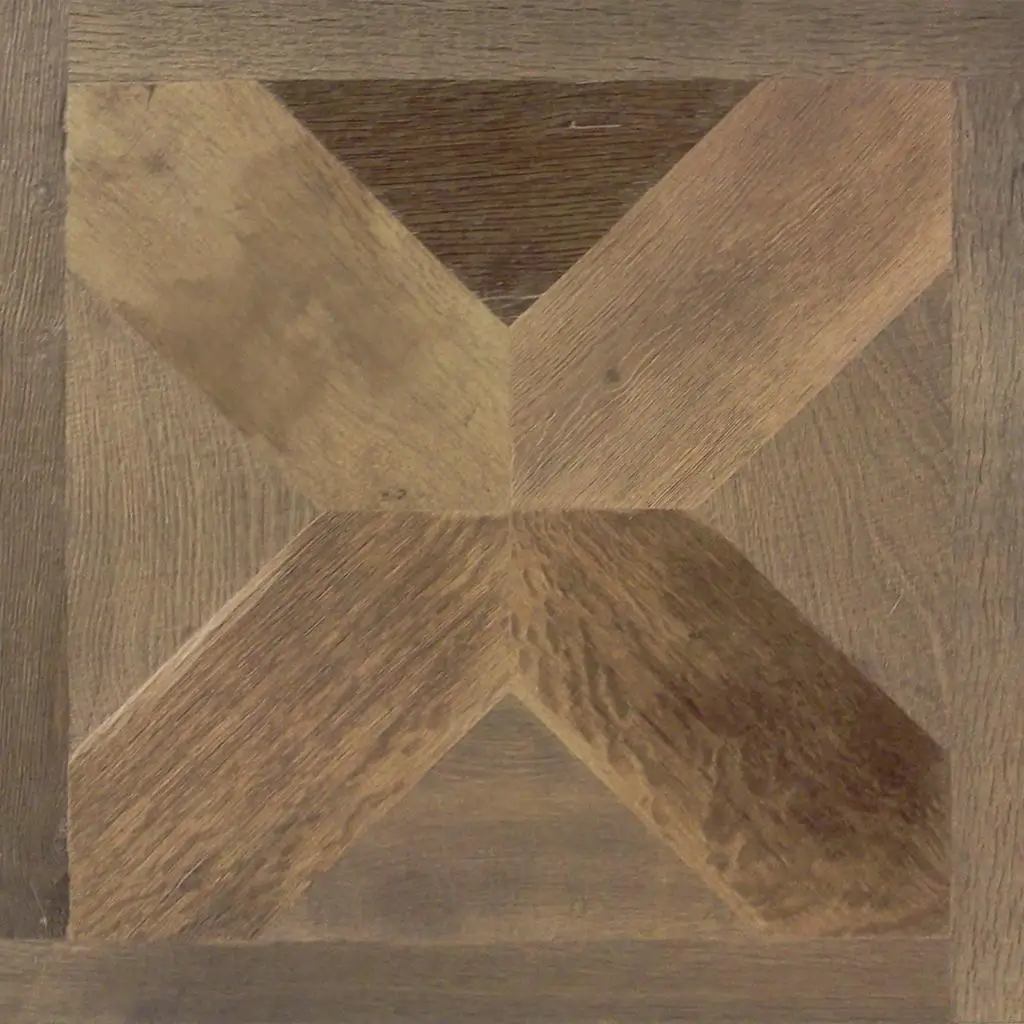
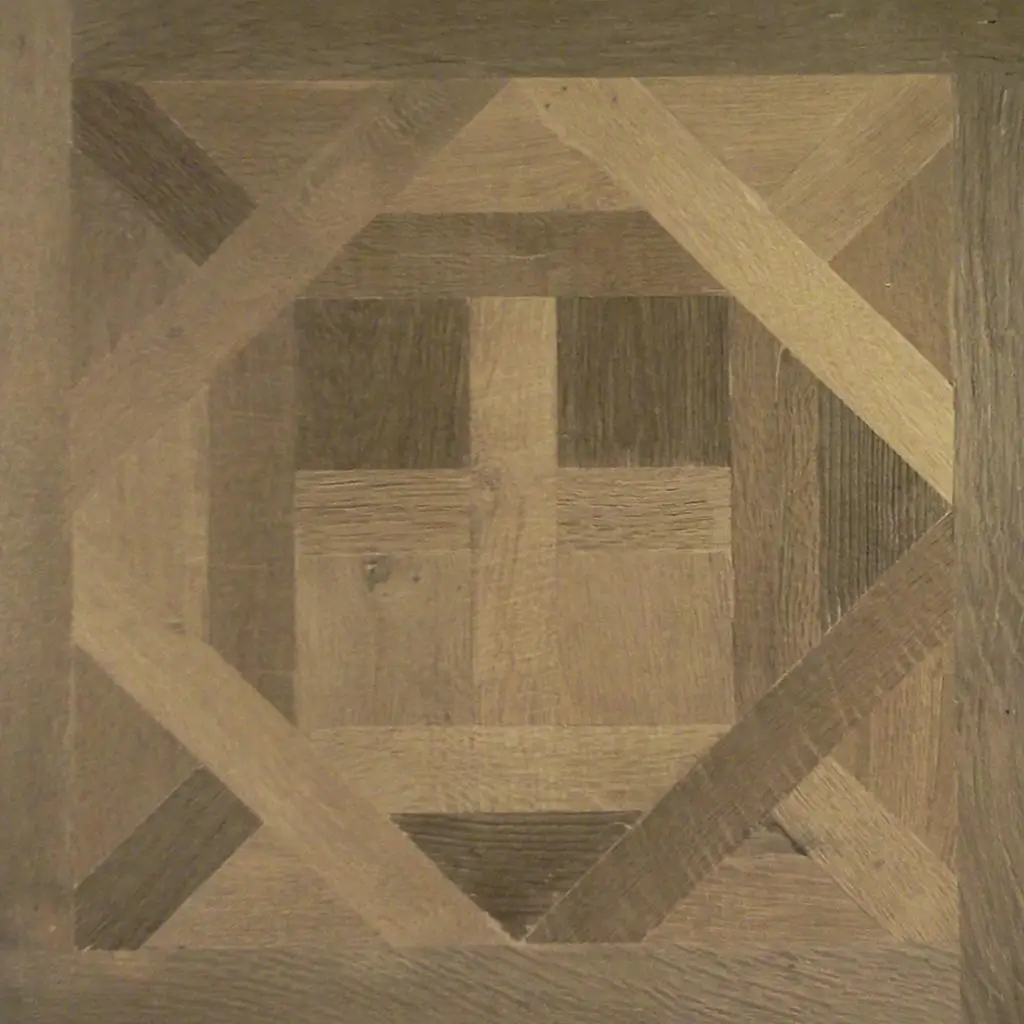
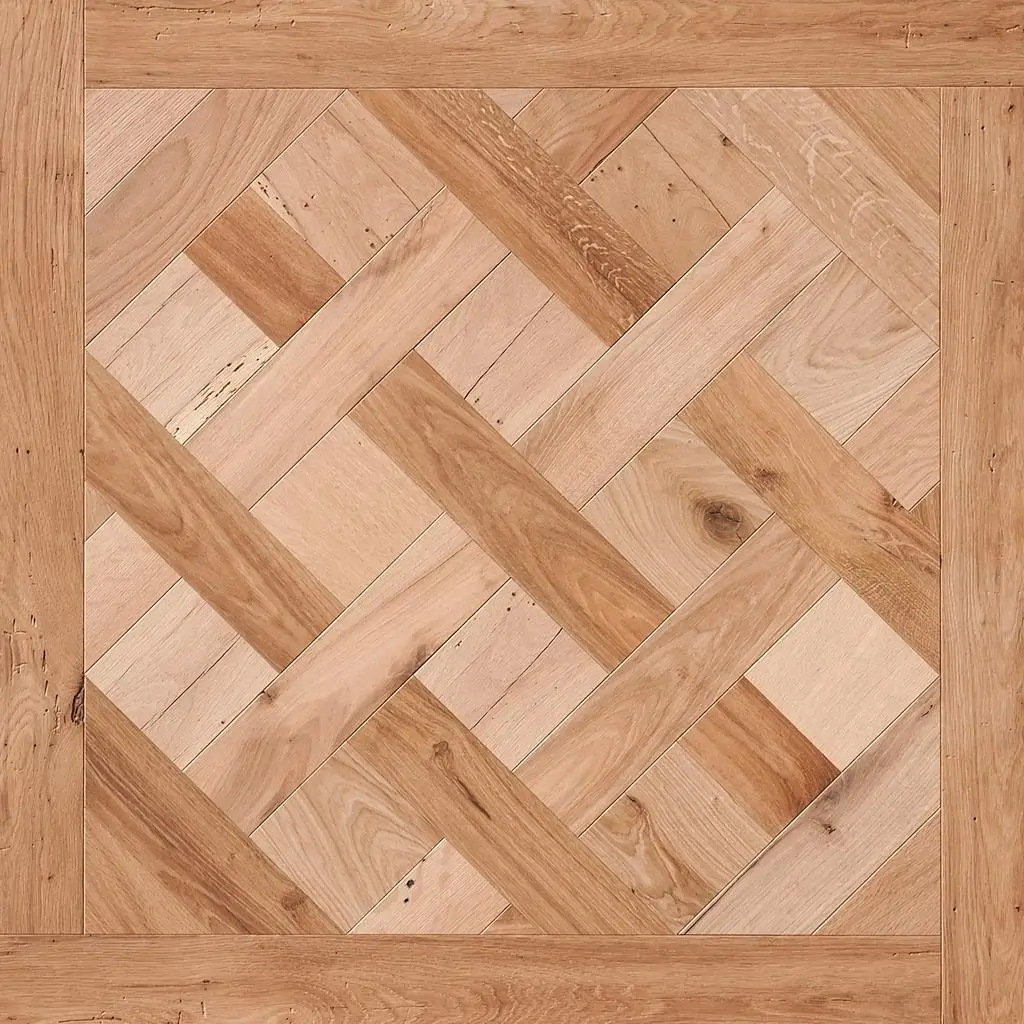
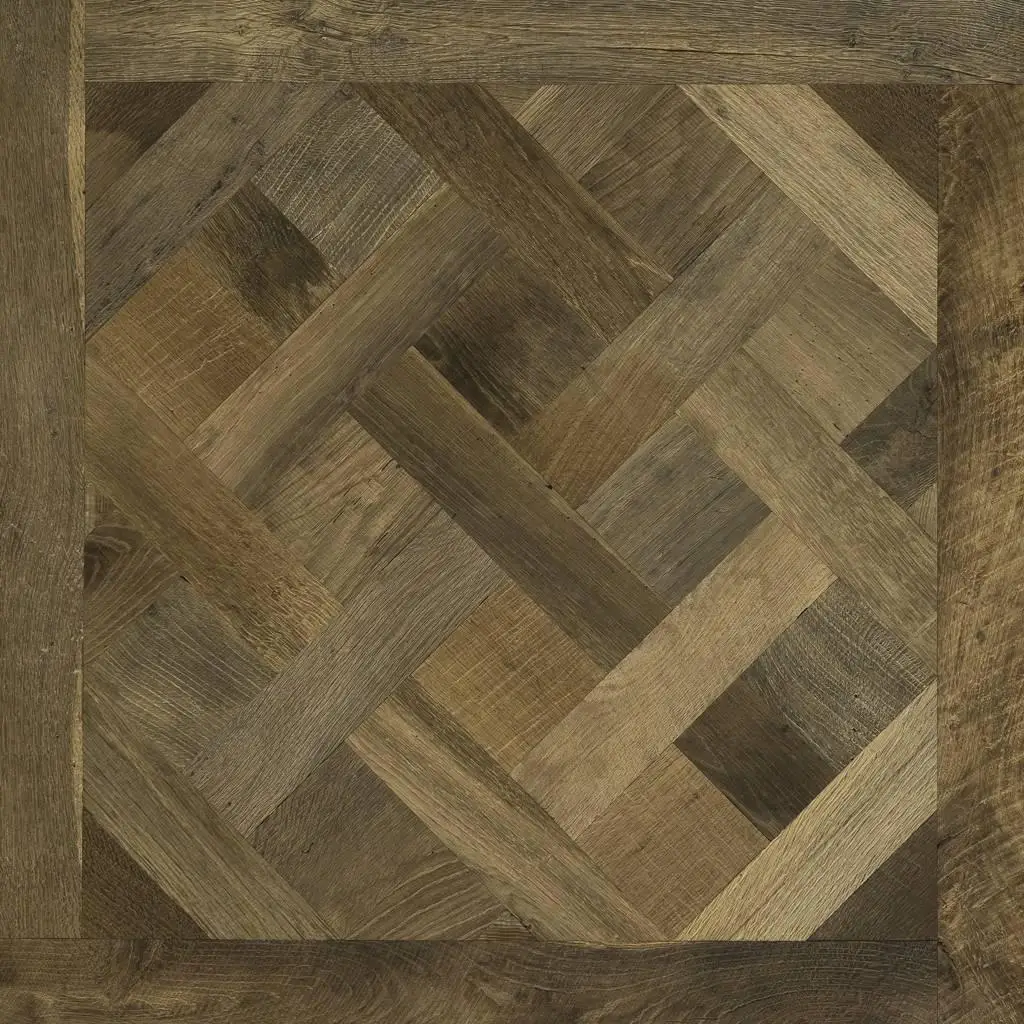
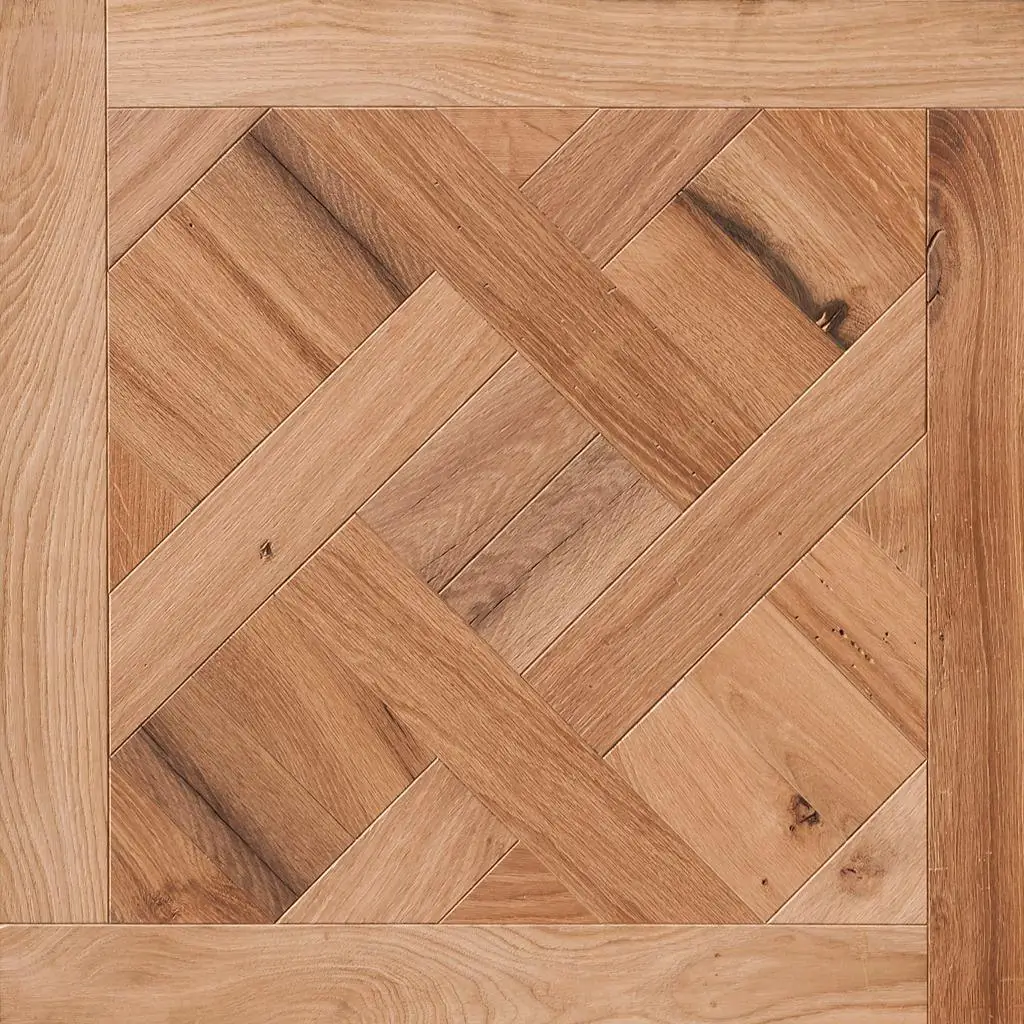
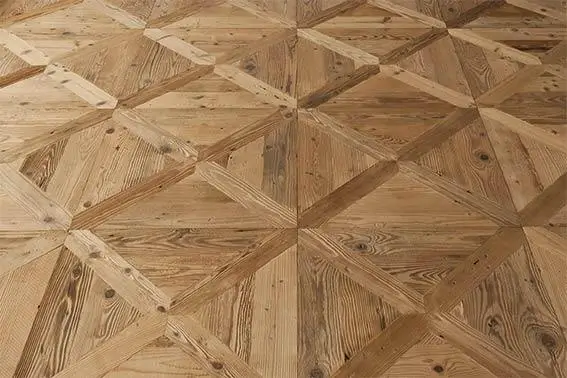
Antique quadrottes or antique wood quadrottes are so called because they are characterized by the classic square shape in varying sizes that allows for the creation of striking antique wood floors, wall coverings or false ceilings. In addition to the typical geometric shape, antique wood quadrottes associate highly decorative surface processing: inlays, crossings and overlapping of colors and essences allow the creation of unusual plays of geometry and shadings apt to give three-dimensionality and movement to the surfaces.
True beauty lies in the attention to detail, in maximum customization, in the uniqueness that only living materials such as wood, can convey. Materials imbued with history and culture that creating a thread that runs through the ages embroidering ever new, poetic, evocative stories.
Request information
We invite you to experience the Quality
Contact us to find out more about our products and to find the perfect solution for your home or office.
Error: Contact form not found.
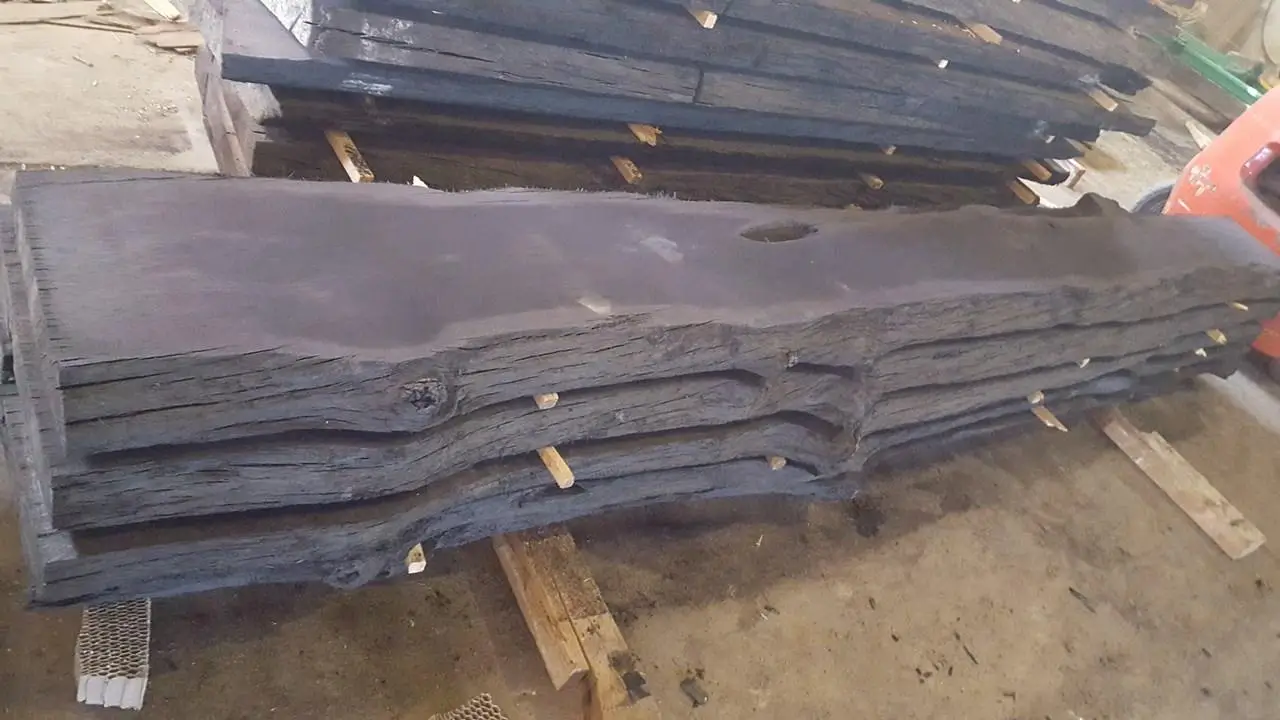
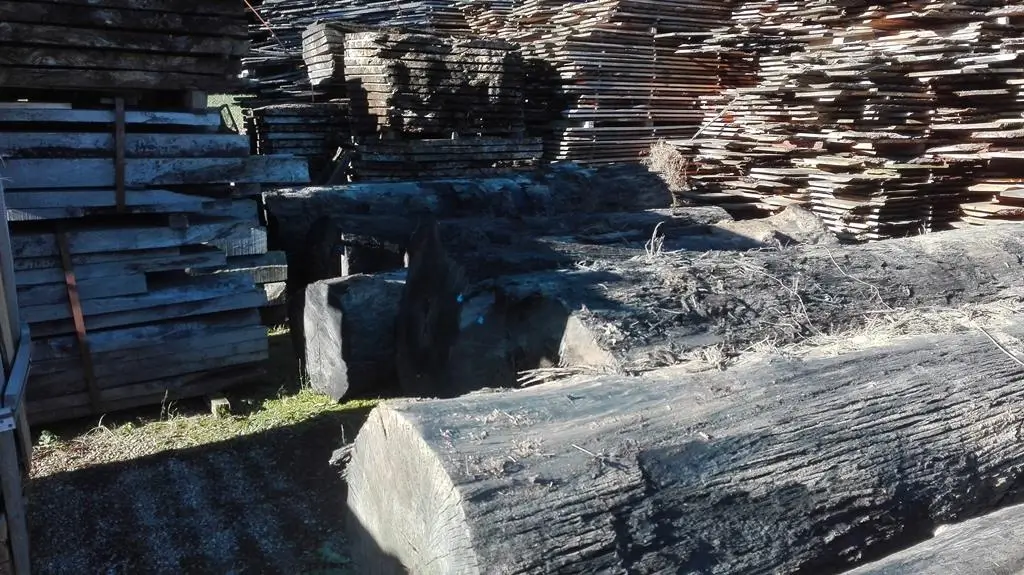
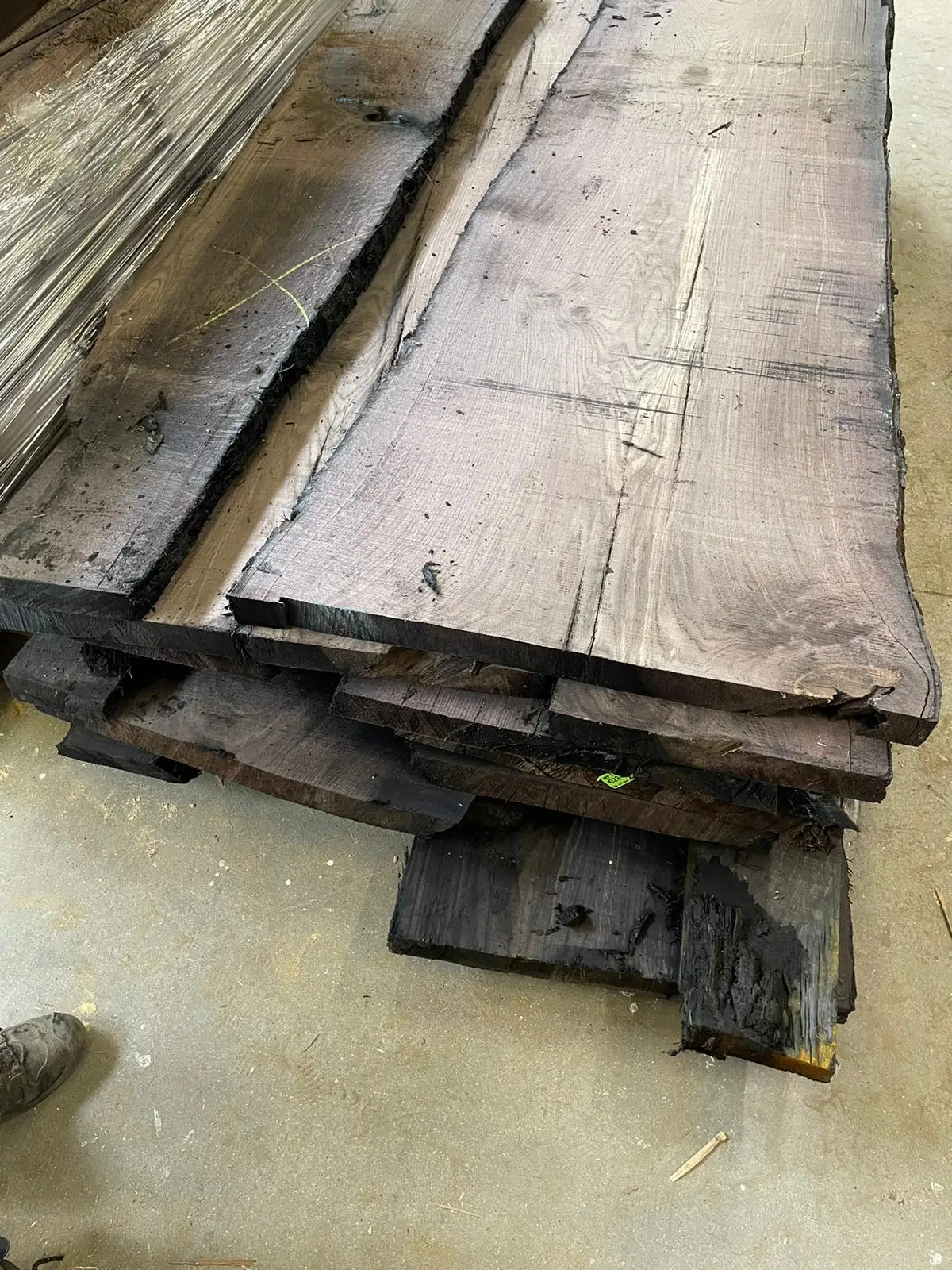
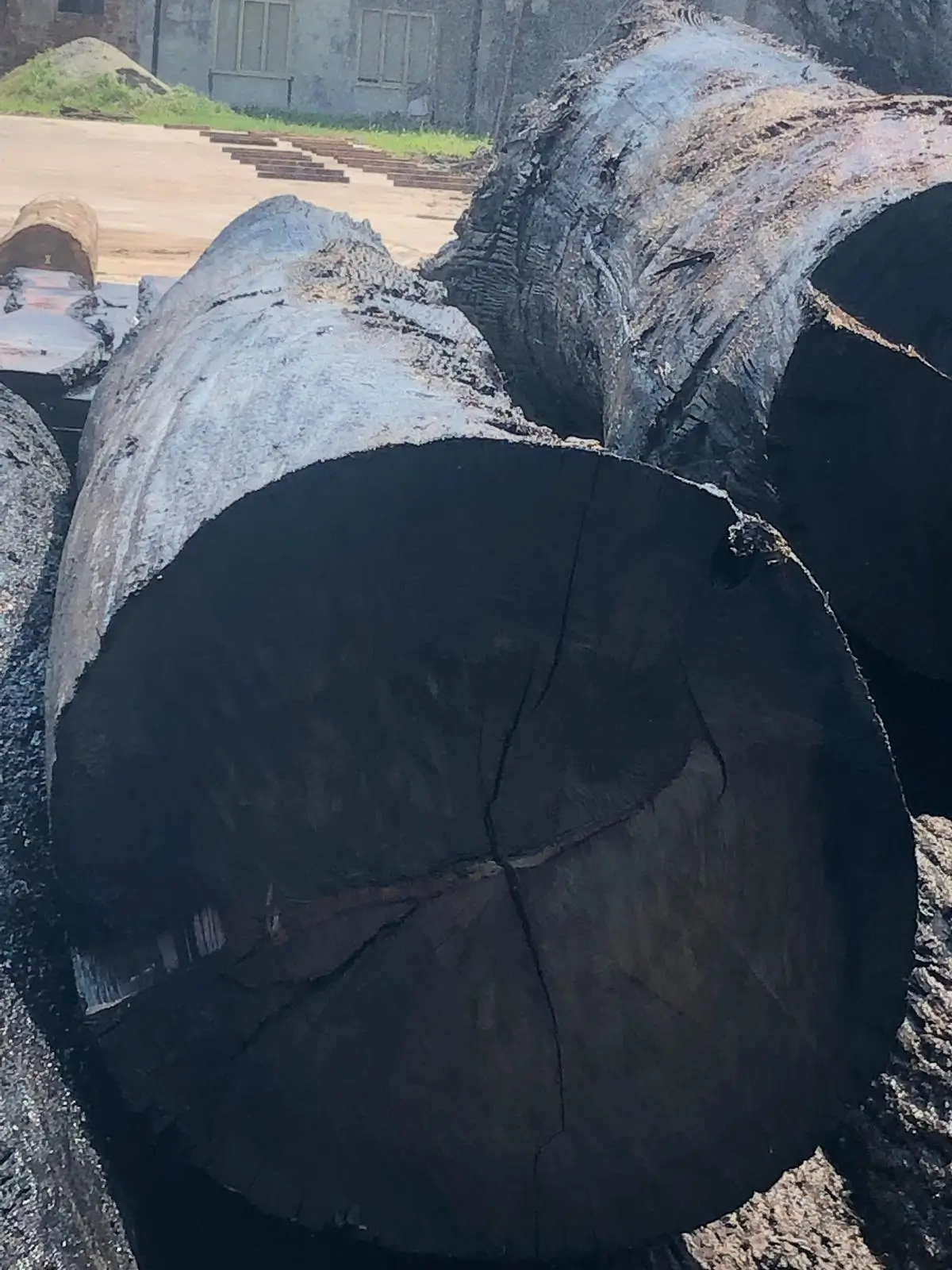
Millennial timber
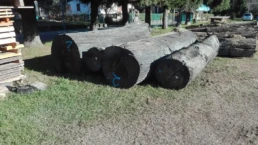
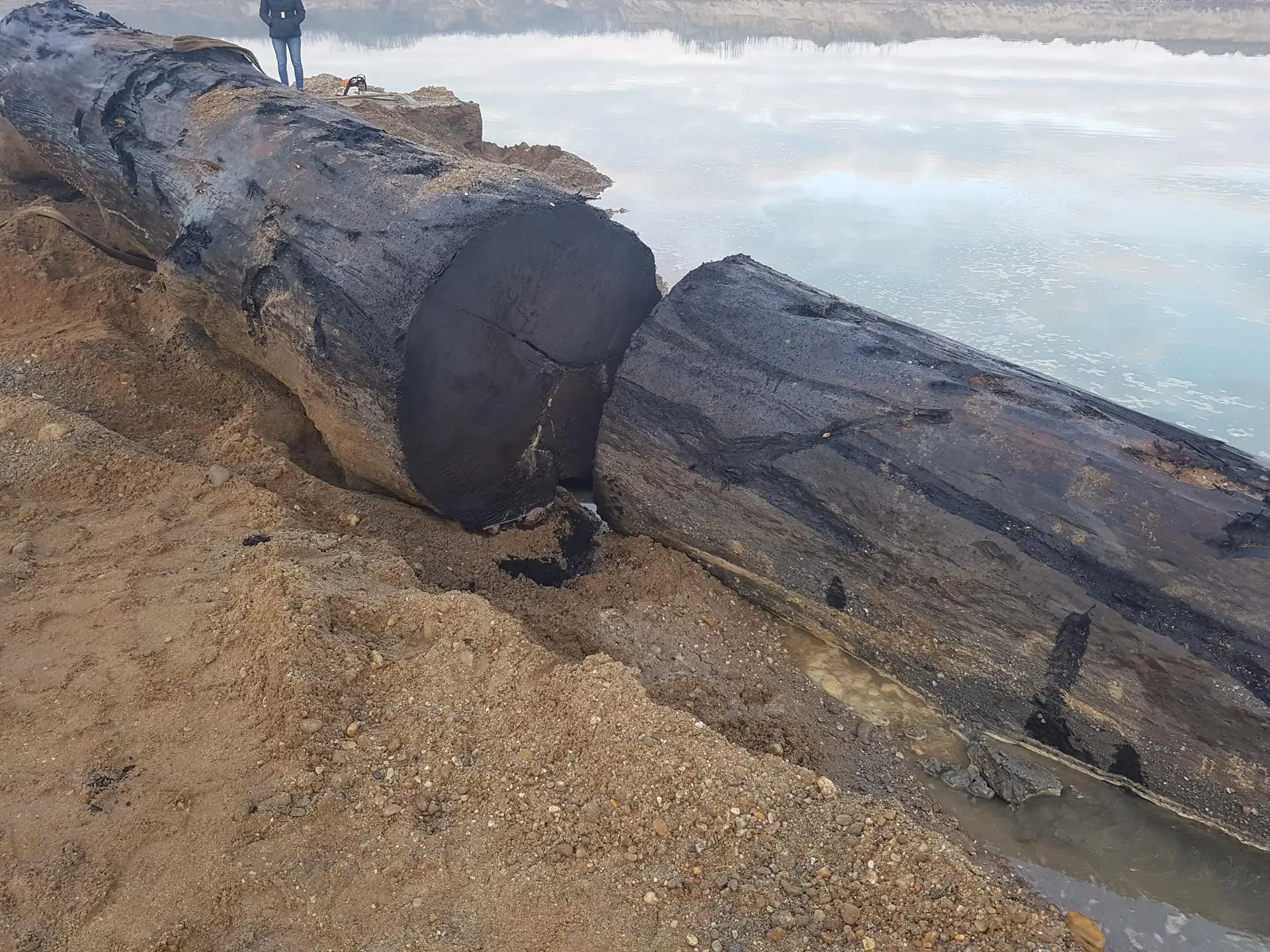
The most suitable habitats for the growth of oak forests are the mostly wet, gravelly and clay soils. In its course, the river often varies its direction by undermining the banks covered with these forests so much that nearby trees fall and are washed away into the water. When the log is trapped by its branches and roots in the riverbed, it becomes covered with layers of sediment and sand. Thus covered, and deprived of oxygen, the wood begins a slow process of fossilization that can last thousands of years, thanks to the triggering of chemical reactions that through the formation of mineral salts transform the structure of the wood, making it very similar to stone. The color becomes more pronounced, darker, and shades range from black, to brown, to green, to purple. It is therefore no longer normal wood, let alone still fossil stone, but it becomes a hard, sturdy material that can still be worked by skilled hands. Fossil Oak wood, formerly known as swamp fossil or Bog Oak has been featured in many human masterpieces such as in the construction of Venetian palaces, the throne of Peter the Great, or even the bedroom of the Sun King, Louis XIV. This wood is materially extracted from river or lake beds, in continuous contact with water and earth. It is therefore a rare, natural and inimitable product. Its extraction is not a simple process; precise precautions and specific machinery are needed, making it even more unique and rare.
The subsequent post-extraction processing is equally complex, as this wood is rich in moisture and therefore very susceptible to the thermal shocks of drying processes. Fossil wood is sourced in an environmentally friendly way, and in most cases, the wood is sourced as a result of previous excavations for construction, without further research in the area. When they do occur, traditional techniques that do not involve environmental impact are still used. Extraction is done manually, using divers who tie ropes around the log and bring it back to the surface, thus avoiding damage to both the wood material and the surrounding environment. Antica Edilizia handles millennial lumber processing for the Veneto and Lombardy regions, in major municipalities such as Venice, Verona, Padua, Vicenza, Treviso, Rovigo, Chioggia, Bassano del Grappa, San Donà di Piave, Schio, Mira, Belluno, Conegliano, Castelfranco Veneto, Villafranca di Verona, Montebelluna, Vittorio Veneto, Mogliano Veneto, Spinea, Mirano, Valdagno, Arzignano, Jesolo, Legnago, Portogruaro for the Veneto region and Milan, Brescia, Monza, Bergamo, Como, Busto Arsizio, Sesto San Giovanni, Varese, Cinisello Balsamo, Pavia, Cremona, Vigevano, Legnano, Gallarate, Rho, Mantova, Lecco, Cologno Monzese, Paderno Dugnano, Lodi, Lissone, Seregno, Rozzano, Desio, Cantù for Lombardy.
Request information
We invite you to experience the Quality
Contact us to find out more about our products and to find the perfect solution for your home or office.
Error: Contact form not found.